
Windows NT 3.51 (Workstation and Server) Free Download
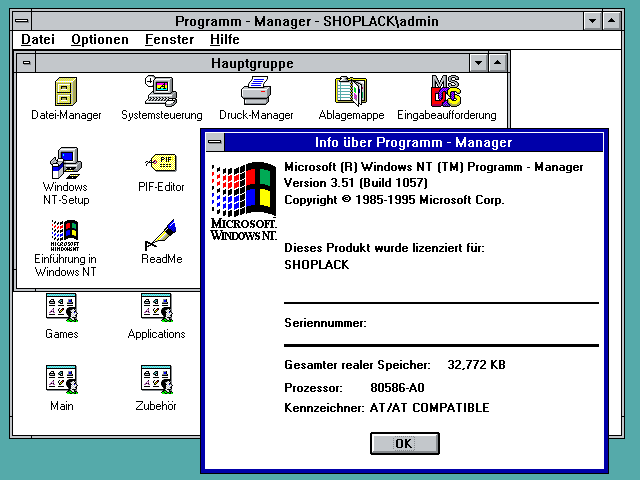
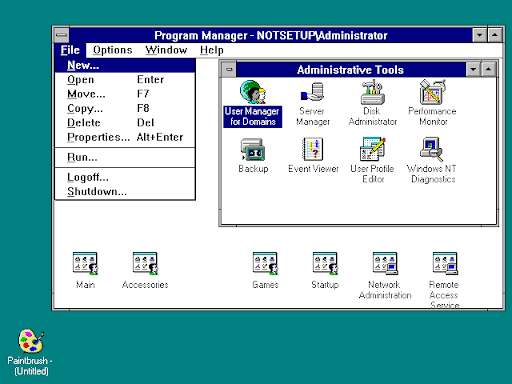
Windows NT 3.51 was released in 1995 as a significant upgrade to Microsoft’s Windows NT family of operating systems. Developed by Microsoft and based on Windows NT 3.50, it offered improved compatibility, performance, and stability.
As a result, it quickly became a trusted choice for businesses and professionals who needed a robust operating system. Furthermore, Windows NT 3.51 was designed to integrate seamlessly with the ever-evolving Windows environment.
At the time, Microsoft was preparing to release Windows 95, and NT 3.51 served as a bridge between enterprise systems and consumer platforms, providing greater compatibility with the latest applications and technologies.
This release also played a crucial role in solidifying Microsoft’s position in enterprise computing. With improved networking, enhanced device compatibility, and improved system performance, Windows NT 3.51 offered a comprehensive solution for both workstations and servers. Consequently, its adoption became widespread in enterprise environments.
Key Features of Windows NT 3.51:
Improved Performance and Stability:
First, Windows NT 3.51 offers improved performance compared to its predecessor. As a result, users enjoy a smoother multitasking experience and greater reliability.
Enhanced Hardware Compatibility:
Furthermore, the operating system has expanded its compatibility with modern hardware. Consequently, it can run efficiently on a wider range of systems.
Advanced Security Model:
As with previous NT releases, this version includes robust security features, such as user authentication and access control. This makes it ideal for enterprise environments.
NTFS File System Enhancements:
Additionally, support for the NTFS file system has been improved, providing better performance and reliability for file storage and management.
Networking Capabilities:
The system includes robust networking features, enabling seamless connectivity between computers in a network environment.
Multi-Platform Compatibility:
Another important feature is its ability to run on multiple processors. This provides flexibility for businesses with diverse hardware configurations.
What’s New / Latest Updates?
Improved Compatibility with Windows 95 Applications:
One of the most notable updates was improved compatibility with applications designed for Windows 95, making it easier for users to migrate to newer software.
Improved Graphics and Performance:
In addition, graphics performance was improved, building on the enhancements introduced in Windows NT 3.50. As a result, the user interface became smoother.
PowerPC Support:
Windows NT 3.51 added support for the PowerPC architecture, expanding its use to systems other than traditional x86 systems.
Improved Network Architecture:
The network architecture was improved to deliver better performance and reliability, enhancing data transfer in enterprise networks.
Bug Fixes and Stability Improvements:
In addition, Microsoft fixed several bugs from previous versions, making the system more stable and reliable.
You may also Download:
Windows NT 3.50 (Workstation and Server)
System Requirements:
Minimum Requirements:
- Processor: Intel 80386 or higher
- RAM: 12 MB minimum (16 MB recommended)
- Storage: Approximately 90-120 MB of disk space
- Display: VGA compatible monitor
- Input Devices: Keyboard and mouse
Recommended Requirements:
- Processor: Intel 80486 or higher
- RAM: 16 MB or more
- Storage: 120 MB or more
These requirements made it suitable for business computers in the mid-1990s.
Advantages and Disadvantages:
Advantages:
- Greater compatibility with modern applications
- High system stability and reliability
- Advanced security features
- Better device and platform compatibility
- Improved network performance
Disadvantages:
- High resource consumption on older devices
- Limited multimedia capabilities
- Complex setup for beginners
- Incompatibility with modern software
Additional Features and Capabilities:
Network management Comprehensive:
Windows NT 3.51 improved network management, allowing administrators to manage users and resources more efficiently.
Symmetric Multiprocessing (SMP):
The system supported multiple processors, improving performance in demanding environments.
POSIX Compatibility:
The system also included support for the POSIX standard, enabling compatibility with UNIX-based applications.
Fail-Safe Protection:
The operating system isolated processes to prevent system-level failures, improving reliability.
Intuitive Developer Environment:
The system provided powerful APIs and developer tools, making it a robust platform for enterprise software development.
Frequently Asked Questions:
What was Windows NT 3.51 used for?
It was used in enterprise computing, including workstations and servers.
What is the difference between Windows NT 3.51 and Windows NT 3.50?
It offered better compatibility with Windows 95 applications, improved hardware support, and greater stability.
Is Windows NT 3.51 still supported?
No, it is obsolete and no longer supported.
What platforms did it support?
It supported x86, MIPS, Alpha, and PowerPC architectures.
Can it run modern applications?
No, it is only compatible with software from that era.
Conclusion:
Windows NT 3.51 was a crucial step in the evolution of Microsoft’s enterprise operating systems. By improving compatibility, performance, and hardware support, it built upon the strengths of previous NT versions. Furthermore, its ability to bridge legacy systems with modern technologies made it a very valuable tool at the time.
Homepage: windowstan.info
Post Comment