Windows NT 3.50 (Workstation and Server) Free Download
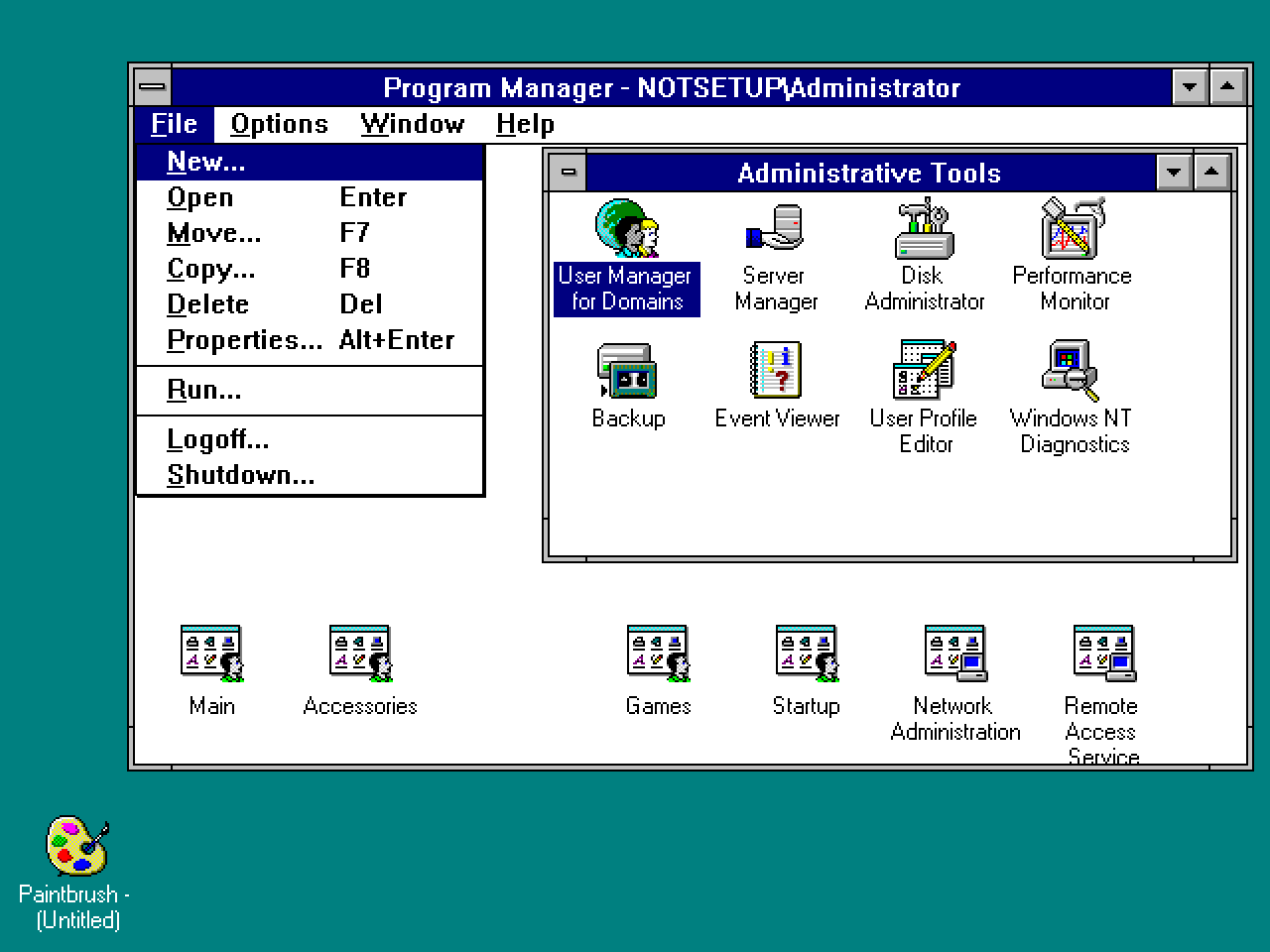
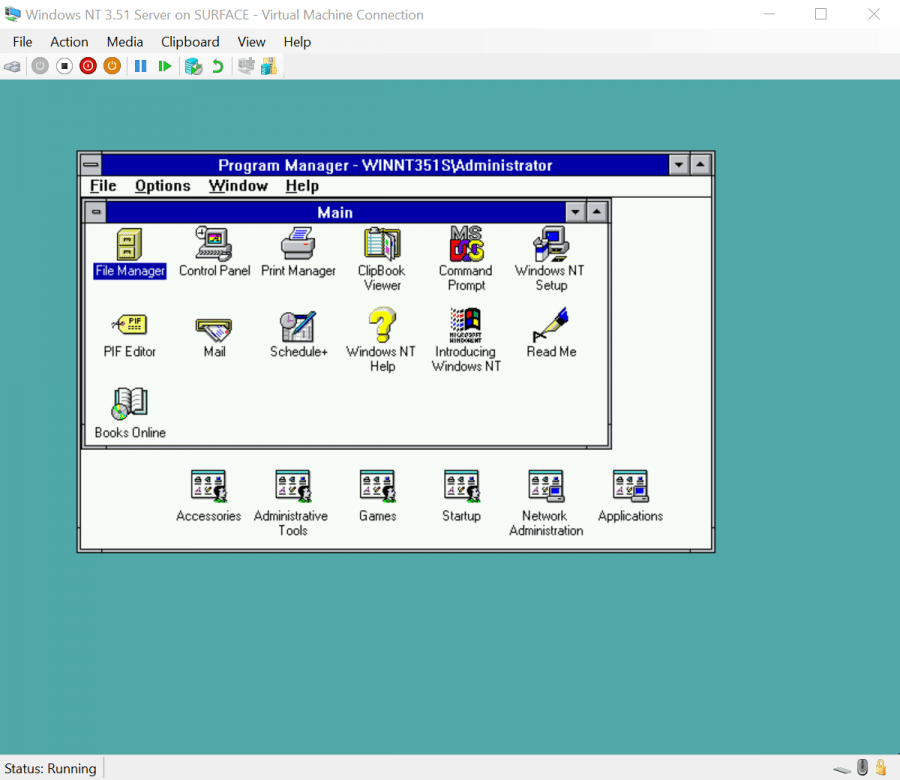
Windows NT 3.50 was a significant update to Microsoft’s initial suite of enterprise operating systems. Developed by Microsoft and released in 1994, it represented an improvement over Windows NT 3.1. While retaining the same core architecture, it offered substantial improvements in performance and ease of use.
As a result, it quickly gained popularity among businesses seeking a stable and efficient operating system. Furthermore, Windows NT 3.50 was designed to bridge the gap between performance and user experience.
While previous NT versions had focused on stability and security, this version prioritized speed and graphics performance. Consequently, it provided a more responsive interface while maintaining high enterprise reliability.
Windows NT 3.50 also strengthened Microsoft’s position in the server and workstation market. It offered improved networking capabilities, greater hardware compatibility, and increased system efficiency.
Key Features of Windows NT 3.50:
Improved Performance:
First, Windows NT 3.50 offers significant performance improvements compared to its predecessor. As a result, applications run faster and the system is more responsive.
Improved Graphics Subsystem:
Unlike Windows NT 3.1, this version moved parts of the graphics subsystem into the kernel. Consequently, graphics processing is faster and more efficient.
Better Memory Management:
Furthermore, the operating system features improved memory management. As a result, it supports more demanding applications and multitasking environments.
Advanced Security Model:
Windows NT 3.50 maintains a robust security framework, including user authentication and access control. Therefore, it remains suitable for enterprise environments.
NTFS File System Support:
In addition, the system continues to support the NTFS file system, which offers greater reliability, security, and performance than FAT.
Connectivity Improvements:
The system also introduced enhanced connectivity features, making it easier to connect and manage multiple systems within a network.
What’s New / Latest Updates:
Faster Graphical User Interface:
One of the most notable updates was the improved graphics performance. By moving graphics components to kernel mode, the system achieved faster rendering speeds and smoother user interactions.
Lower Hardware Requirements:
Compared to Windows NT 3.1, Windows NT 3.50 required slightly fewer resources, making it compatible with a wider range of systems.
Improved Connectivity Suite:
In addition, the connectivity suite was optimized for increased reliability and performance, resulting in improved data transfer and communication.
Greater Compatibility:
Windows NT 3.50 offered better compatibility with applications and devices, so users experienced fewer upgrade issues.
Workstation and Server Editions:
Like the previous version, it was available in two editions:
- Workstation: optimized for increased individual productivity.
- Server: designed for managing network resources and services.
You may also Download:
System Requirements:
Minimum Requirements:
- Processor: Intel 80386 or higher
- RAM: 12 MB minimum (16 MB recommended)
- Storage: 90-110 MB of disk space
- Monitor: VGA-compatible monitor
- Input Devices: Keyboard and mouse
Recommended Requirements:
- Processor: Intel 80486
- RAM: 16 MB or more
- Storage: 120 MB or more
These requirements were considered average for enterprise systems in the mid-1990s.
Advantages and Disadvantages:
Advantages:
- Improved performance compared to NT 3.1
- Faster graphical interface
- Stronger security features
- Reliable multitasking
- Enhanced networking capabilities
Disadvantages:
- Still resource-intensive on older hardware
- Limited multimedia support
- Complex setup for beginners
- Unsuitable for modern applications
Additional Features and Capabilities:
Wideband Networking:
Windows NT 3.50 improved wing-based networking, enabling administrators to manage users and systems more efficiently.
Multi-Processing Support:
The system supported Symmetric Multiprocessing (SMP), allowing it to utilize multiple CPUs for improved performance.
Cross-Platform Compatibility:
In addition, the system was compatible with a wide range of hardware architectures, including x86, making it attractive for enterprise environments.
Fault Protection and Stability:
The operating system was designed to isolate processes, reducing system failures compared to previous versions of Windows.
Developer Support:
Windows NT 3.50 provided a robust platform for developers, supporting advanced APIs and development tools.
Frequently Asked Questions:
What were Windows NT 3.50 used for?
It was primarily used in enterprise environments for workstations and servers.
What is the difference between it and Windows NT 3.1?
Windows NT 3.50 offered improved performance, enhanced graphics processing, and improved networking.
Is Windows NT 3.50 still supported?
No, it is now obsolete and no longer supported.
What major editions were available?
It was available in editions for workstations and servers.
Can it run modern software?
No, it is only compatible with software from the same era.
Conclusion:
Windows NT 3.50 represented a significant leap forward in the development of Microsoft operating systems. By focusing on improving performance and ease of use, it built on the solid foundation of Windows NT 3.1. Furthermore, improved graphics performance and networking capabilities made it a more practical choice for businesses.
Homepage: windowstan.info
Post Comment