
Windows 2.11 (Windows/286 and Windows/386) Download
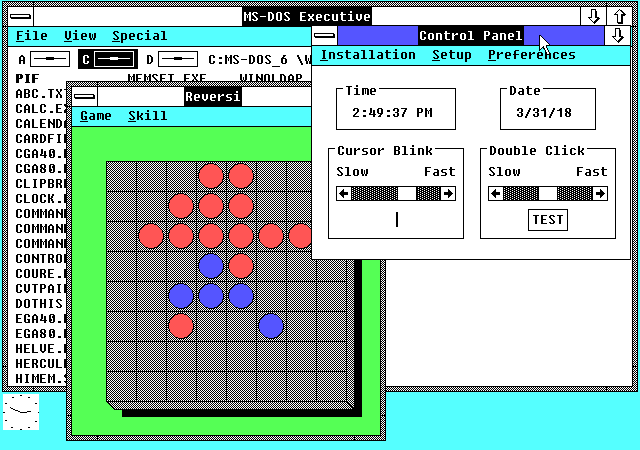
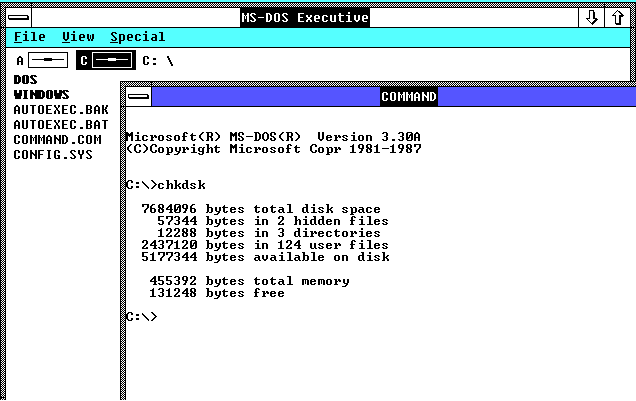
Windows 2.11 represents the latest and most advanced update to the Windows 2.x series and played a pivotal role in stabilizing Microsoft’s first graphical operating system. Released as an enhancement to Windows 2.10, it continued to offer processor-specific versions: Windows/286 and Windows/386. Therefore, it was built on a constantly evolving platform, with a strong focus on performance, reliability, and compatibility.
Furthermore, Windows 2.11 improved upon features introduced in previous versions, such as window nesting and enhanced memory management. While Windows/286 delivered improved performance for Intel 80286 systems, Windows/386 took advantage of the advanced capabilities of the Intel 80386 processor. As a result, users experienced smoother multitasking and greater system efficiency, particularly in more demanding computing environments.
Windows 2.11 also demonstrated Microsoft’s commitment to improving its platform before moving on to more advanced operating systems. Although it didn’t introduce any major new features, it focused on bug fixes and stability improvements. As a result, this release became an important bridge between earlier versions of Windows and the more widely used Windows 3.0.
Key Features:
- Processor-Specific Editions
- Windows/286 optimized for Intel 80286 processors
- Windows/386 designed to take advantage of the advanced features of the 80386 processor
- Enhanced Multitasking
- Greater ability to run multiple applications
- Smoother switching between active programs
- Advanced Memory Management
- Better use of extended and expanded memory
- Improved Performance in Windows/386 Environments
- Virtual DOS Machines (Windows/386)
- Ability to run multiple DOS sessions simultaneously
- Isolated environments for greater stability
- Napto-Windows Interface
- Continued support for tapto-windows
- Improved user workflow and desktop organization
- System Stability Improvements
- Reduced crashes and increased system reliability
- More consistent performance across all applications
What’s New / Latest Updates?
System Performance Improvements:
First, Windows 2.11 introduced further performance improvements compared to version 2.10. These improvements resulted in better system responsiveness and reduced lag during multitasking, providing users with a smoother computing environment.
Bug Fixes and Stability Improvements:
In addition, this update focused on addressing known issues from previous releases. These fixes improved application reliability and reduced system errors, enabling users to work more efficiently without frequent interruptions.
Enhanced Windows/386 Capabilities:
Windows/386 continued to take advantage of the advanced features of the 80386 processor, improving virtual memory management and multitasking capabilities. As a result, users could run multiple DOS applications more efficiently.
Greater Application Compatibility:
Another important update was improved compatibility with software applications, ensuring that more programs could run smoothly and contributing to the expansion of the Windows ecosystem.
You may also Download:
System Requirements:
- Windows/286 Requirements
- Intel 80286 Processor
- At least 1 MB of RAM
- MS-DOS 3.0 or later
- Storage via floppy disk or hard drive
- Graphics card such as CGA, EGA, or VGA
- Windows/386 Requirements
- Intel 80386 Processor
- At least 2 MB of RAM
- MS-DOS 3.0 or later
- Hard drive recommended
- Compatible graphics card
Additional Requirements:
- Keyboard required for data input
- Mouse recommended for ease of use
Advantages and Disadvantages:
Advantages:
- Greater stability and reliability
- Improved multitasking performance
- Advanced memory management in Windows/386
- Ability to run multiple DOS applications
- Greater software compatibility
Disadvantages:
- Still relies on MS-DOS
- Limited graphics capabilities
- Higher hardware requirements
- Complex for beginners
- Lacks important new features
- Additional Requirements or Features
- Improvements in the User Experience
Windows version 2.11 introduced a more stable and efficient user experience. As a result, users could manage their
tasks more effectively and with fewer interruptions.
Professional and Enterprise Use:
Thanks to its improved performance and multitasking capabilities, this version proved more suitable for enterprise environments. Consequently, it attracted the attention of professional users.
Advantages for Developers:
Developers benefited from a more stable platform, enabling them to create more reliable applications. As a result, the Windows ecosystem continued to grow.
Preparing for Future Versions:
Windows 2.11 played a key role in preparing users and developers for Windows 3.0. In doing so, it laid the foundation for future developments in graphical operating systems.
Frequently Asked Questions:
What is Windows 2.11?
Windows 2.11 is the latest update in the Windows 2.x series, which includes Windows/286 and Windows/386 editions with performance and stability improvements.
What is the difference between Windows/286 and Windows/386?
Windows/286 was optimized for 80286 processors, while Windows/386 utilized advanced features for 80386 processors, such as virtual memory and multitasking.
Did Windows 2.11 improve multitasking?
Yes, especially in Windows/386, which improved multitasking and memory management.
Was it widely adopted?
It contributed to wider adoption, but this began with Windows 3.0.
What was its significance?
It improved the Windows platform and paved the way for more advanced versions.
Conclusion:
Windows 2.11 represents the latest and most advanced version of the Windows 2.x series and played a pivotal role in the development of Microsoft’s first graphical operating system. By focusing on stability, performance, and compatibility, it provided users with a more reliable computing experience. Therefore, it marked a crucial step towards more advanced versions of Windows.
Homepage: windowstan.info
Post Comment